01
Real spread & setup photography content
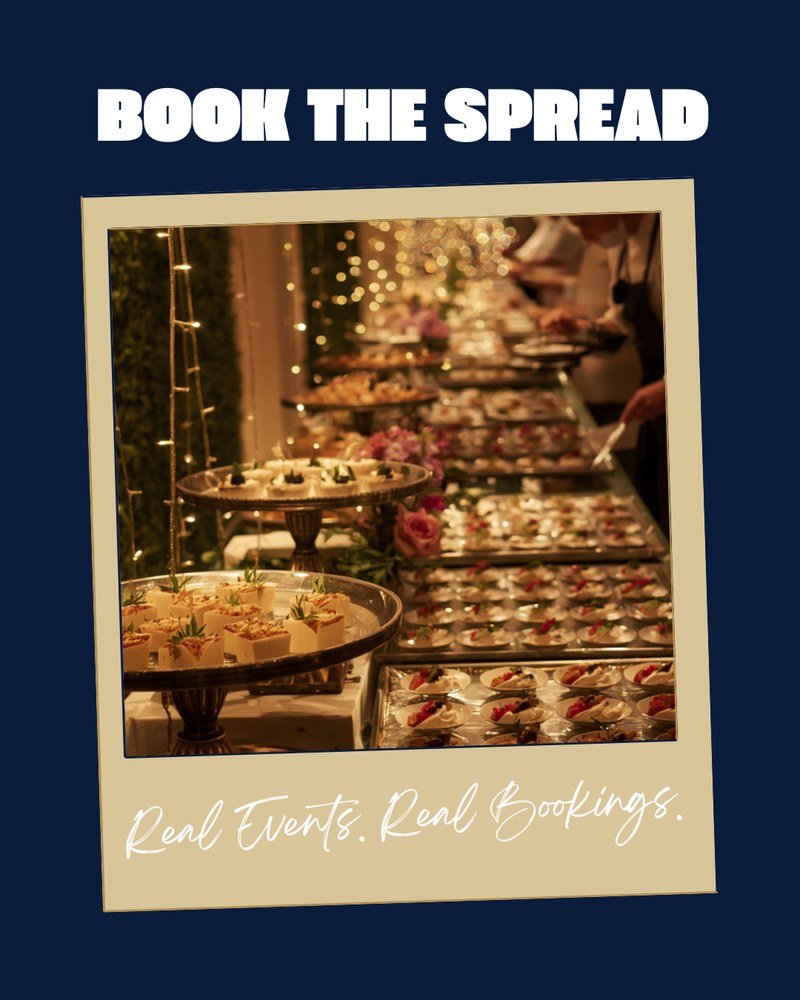
Your buffet spreads, plating close-ups, and bar setups turned into posts that make the next client's mouth water. We sort content by event type as we go — corporate lunch spreads in one thread, wedding-reception setups in another — so each prospective client sees the work that speaks to their event, not a mixed grid.
02
Reels from your event & prep footage
Send us the setup timelapse or the prep-kitchen clip; we cut it into a scroll-stopping reel built for the format people actually watch. A thirty-second clip of the team plating two hundred plates in sync tends to outperform a single static photo of the finished spread — process sells trust as much as the food does.
03
Menu & seasonal package features
Tasting menus, holiday catering packages, and corporate lunch specials, posted on a schedule that keeps inquiries coming in. Seasonal menu swaps — a fall harvest package, a summer grazing-table trend — get their own short campaign instead of getting buried in the regular feed.
04
Instagram, Facebook, TikTok & more
Posted across Instagram, Facebook, TikTok, Pinterest, and Threads on every plan — six platforms including LinkedIn on Cube Prime. LinkedIn matters more for caterers than almost any other food vertical here — it's where the office manager booking next quarter's client lunch is actually scrolling.
05
Inquiry & review replies in your voice
Reviews and prospective-client DMs answered fast, same-day, so a ready-to-book lead never goes cold waiting on a reply. A planner requesting a quote for a date six months out is often comparing two or three caterers side by side that same afternoon — the one who answers first has a real edge.
06
Monthly performance recap
Which post actually drove inquiries, so we keep doing more of what fills your calendar. We tell you plainly whether the corporate-lunch content or the wedding-reception content is pulling more leads that month, so effort goes where it's actually working.
07
What a typical month looks like
It starts with a short call to learn your event mix, your signature dishes, and how you want corporate work versus private events represented. After that, posting runs on its own weekly rhythm around your event calendar — spread and setup content goes out after events happen, seasonal package pushes go out ahead of your slower booking months, and story content covers same-week promos like an open date opening up on your calendar. You send footage whenever it's convenient; nothing requires you to stop and shoot on demand.
08
What we actually need from you
Phone footage is enough. A few photos of the finished spread before doors open, a quick clip of the team plating, a shot of the bar setup — that's the raw material. No dedicated event photographer needed, and nothing that pulls staff attention away from actually running the event.
09
How fast this actually gets moving
Your first posting cycle goes live within five business days of the brand call — not after a month of planning documents. If you already have a backlog of past-event photos sitting in your camera roll, we can often use that to get the first few weeks of content out the door even faster.