
Post Before the Need Shows Up, Not After
Most of what a business posts happens after something occurs — a finished job, a happy customer, a new product. Seasonal and local reminders flip that order: they post before the need shows up, while the customer still has time to plan instead of scramble.
That timing difference matters more than it sounds like. A customer who calls you in a genuine emergency is comparing you on speed and price, because that’s all that matters in the moment. A customer who books you two weeks ahead of a predictable seasonal need is comparing you on trust and reputation — and that’s a conversation you win far more often.
Why timely beats evergreen
A generic “we’re here for you” post competes with every other business posting the exact same sentiment. A post that says “the first cold snap is coming next week — here’s what to check before it hits” is specific to right now, which makes it feel like it was written for the person seeing it, not mass-produced for everyone.
It also signals something subtler: that you’re paying attention to what actually affects your customers, not just posting on autopilot. That reads as genuine local expertise, which is exactly the impression a small, community-facing business wants to make.
What counts as a seasonal or local moment
- Weather shifts. The first freeze, the first heat wave, storm season starting — anything that changes what people need to think about.
- Calendar milestones. Back-to-school, holidays, spring cleaning, tax season, the start of summer — moments people are already mentally preparing for.
- Local events. A festival, a big local sports event, a neighborhood happening — anything that puts your community’s attention in one place at one time.
- Industry-specific windows. Whatever slow season, busy season, or maintenance window is specific to what you do — the timing your customers wouldn’t think about unless you told them.
The planning problem this actually solves
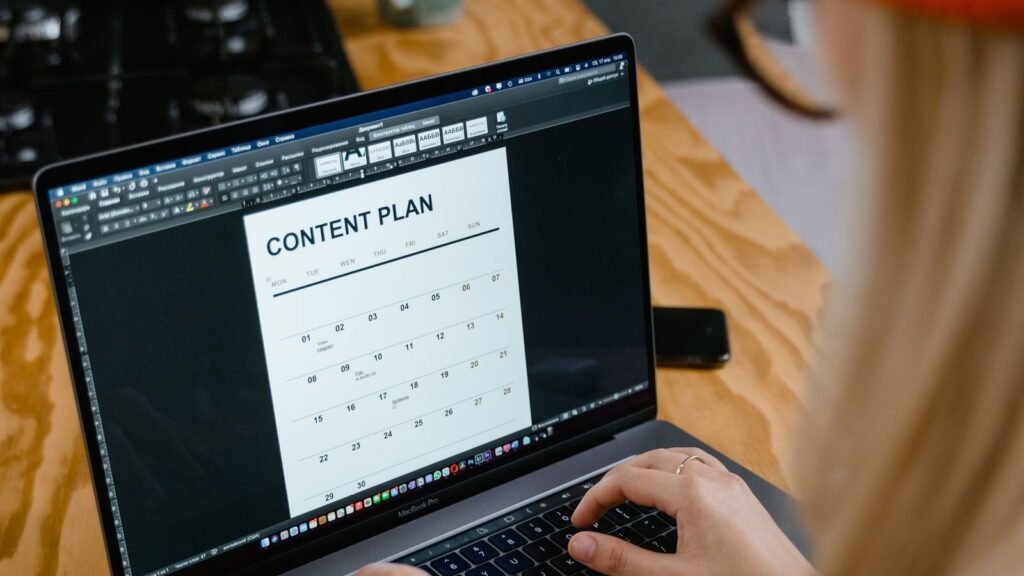
The hard part isn’t knowing that winter is coming. It’s remembering to post about it two to three weeks before it arrives, consistently, every season, on top of everything else running the business. That’s the piece that quietly falls off most small-business content calendars — not because the idea is hard, but because nobody’s job is to remember it on a schedule. It’s the kind of ongoing planning a managed social media plan is built to carry so it never gets dropped.